

Introduction: Download App – The Gateway to a Digital-First Lifestyle
In the modern digital era, the phrase “Download App” has become more than just a simple instruction—it represents a fundamental shift in how people interact with technology, services, and even each other. With smartphones becoming an essential part of daily life, mobile applications now act as gateways to almost everything we need. From communication and entertainment to education and finance, the act of choosing to “Download App” has transformed into a powerful decision that shapes convenience, behavior, and lifestyle.
Not long ago, accessing services required physical presence or at least a desktop computer. Today, however, a single tap on a screen can connect users to a vast ecosystem of tools and platforms. Whether it’s ordering food, booking travel tickets, attending virtual classes, or managing bank accounts, apps have streamlined processes that once seemed time-consuming and complex. The simplicity of the “Download App” action hides the sophisticated technology working behind the scenes, including cloud computing, artificial intelligence, and real-time data processing.
One of the most compelling aspects of this trend is accessibility. The ability to “Download App” has democratized access to information and services, enabling people from different backgrounds to participate in the digital economy. Small businesses can now reach global audiences, students can learn from international platforms, and individuals can manage their personal and professional lives more efficiently than ever before. This level of connectivity has redefined productivity and opened doors to opportunities that were previously unimaginable.
However, this growing dependence on apps also introduces a range of challenges that cannot be ignored. Each time users decide to “Download App,” they often grant permissions that allow access to personal data, sometimes without fully understanding the consequences. Privacy concerns, data security risks, and the potential for misuse of information have become significant issues in today’s digital landscape. While apps provide convenience, they also require users to be more aware and cautious about how their data is handled.
Moreover, the psychological impact of constantly engaging with apps is another critical aspect to consider. Many applications are designed to capture attention and encourage repeated use, leading to increased screen time and, in some cases, digital dependency. The very tools that are meant to enhance productivity can also become sources of distraction, affecting focus, mental health, and overall well-being.
Despite these concerns, the influence of the “Download App” culture continues to grow, driven by innovation and evolving user needs. As technology advances, apps are becoming smarter, faster, and more integrated into everyday life. The challenge for users is not to avoid apps altogether but to use them wisely—embracing their benefits while remaining mindful of their potential drawbacks.
In essence, the act of choosing to “Download App” is no longer just about installing software; it is about stepping into a digital ecosystem that offers both immense possibilities and important responsibilities.
The Evolution of Download App: From Simple Tools to Digital Ecosystems
The journey of the “Download App” concept reflects the rapid evolution of technology itself. What began as a means to install basic utilities on early mobile devices has now transformed into a complex and dynamic digital ecosystem. In its initial stages, apps were designed to perform single, straightforward tasks—such as setting alarms, calculating numbers, or playing simple games. The act of “Download App” was functional and limited in scope, serving specific and often isolated needs.
As smartphones became more advanced, so did the capabilities of apps. The introduction of app stores marked a turning point, creating centralized platforms where users could easily discover and install applications. This innovation not only simplified the “Download App” process but also encouraged developers to create more diverse and sophisticated solutions. Suddenly, apps were no longer just tools—they became experiences.
With the rise of high-speed internet and cloud technology, apps began to offer real-time services and seamless connectivity. Social media platforms redefined communication, streaming apps changed how people consume entertainment, and productivity tools enabled remote work on an unprecedented scale. The phrase “Download App” started to symbolize entry into entire digital environments rather than just access to individual features.
Another major shift came with the integration of personalization. Modern apps are designed to learn from user behavior, preferences, and interactions. When users choose to “Download App,” they are often stepping into a customized experience tailored specifically to them. Algorithms analyze patterns to suggest content, optimize performance, and enhance user satisfaction. While this personalization increases convenience, it also raises questions about data usage and privacy.
The evolution didn’t stop there. The emergence of multifunctional platforms, often referred to as “super apps,” has further expanded the role of mobile applications. Instead of downloading multiple apps for different services, users can now rely on a single platform that combines messaging, payments, shopping, and more. This shift has made the “Download App” decision even more significant, as one app can now influence multiple aspects of daily life.
In addition, advancements in technologies like artificial intelligence, augmented reality, and machine learning have elevated the capabilities of apps to new heights. Voice assistants, virtual try-ons, predictive recommendations, and automation features are becoming standard. These innovations make apps smarter and more intuitive, reducing the effort required from users while increasing efficiency.
However, this evolution also brings complexity. As apps become more powerful, they require more resources, permissions, and updates. The once simple action to “Download App” now involves considerations about storage space, device compatibility, and security. Users must navigate a growing landscape of choices, weighing the benefits of advanced features against potential risks.
Ultimately, the evolution of the “Download App” concept highlights how deeply integrated technology has become in everyday life. It is no longer just about installing software—it is about participating in a continuously evolving digital ecosystem that shapes how people live, work, and connect.
The Power of Download App: Transforming Everyday Life
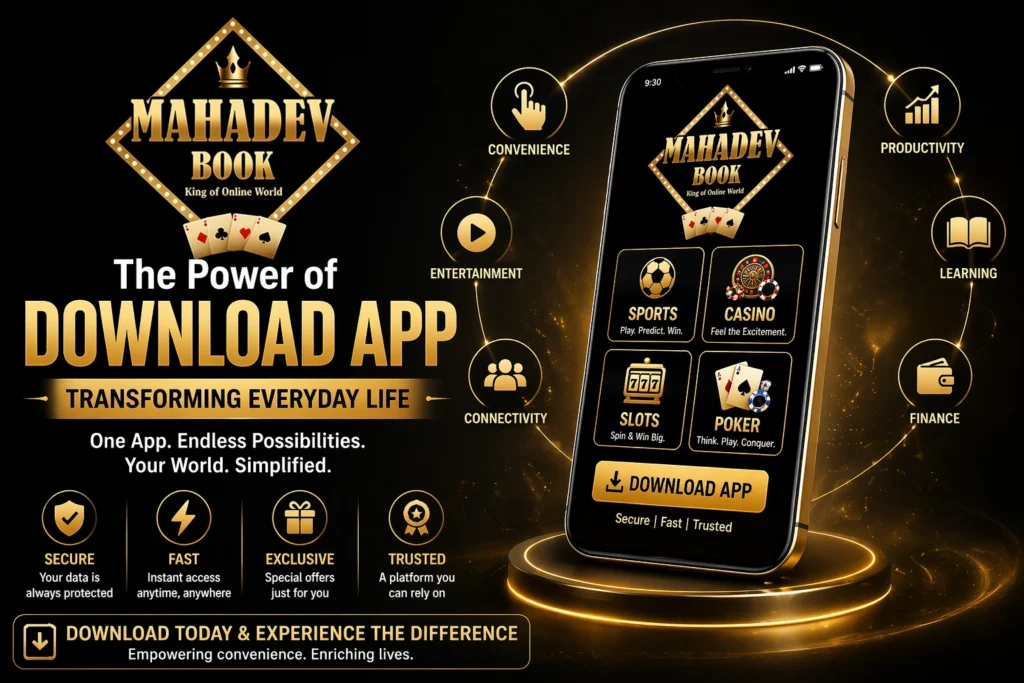
The phrase “Download App” has become synonymous with instant transformation. With just a few taps, users can simplify tasks that once required significant time, effort, or physical presence. This power lies at the heart of why apps have become such an integral part of modern living. They are not merely tools—they are enablers of efficiency, convenience, and connectivity.
One of the most noticeable impacts of the “Download App” culture is the way it has streamlined daily routines. Activities like ordering groceries, paying bills, booking appointments, or even exercising can now be managed through a single device. This shift has reduced dependency on traditional systems and introduced a level of flexibility that was unimaginable a decade ago. People are no longer bound by location or time constraints; instead, they operate in a world where services are available on demand.
Communication is another area that has been revolutionized. By choosing to “Download App,” users gain access to instant messaging, video calls, and global connectivity. Distance is no longer a barrier, and relationships can be maintained effortlessly across continents. This has not only strengthened personal connections but also enabled professional collaboration on a global scale. Teams can work together in real time, regardless of where they are located.
The impact extends significantly into the professional world as well. Many individuals rely on apps for productivity, organization, and skill development. From managing schedules to tracking goals, apps provide structured systems that help users stay focused and efficient. Freelancers, entrepreneurs, and remote workers, in particular, benefit from this digital support system. The ability to “Download App” has essentially turned smartphones into portable workplaces.
Education has also undergone a major transformation. Learning is no longer confined to classrooms. By simply choosing to “Download App,” students can access courses, tutorials, and educational resources from anywhere in the world. This has made knowledge more accessible and inclusive, allowing people to learn at their own pace and according to their individual needs. It has also encouraged continuous learning, where individuals can upgrade their skills throughout their lives.
In the realm of health and wellness, apps have introduced a new level of awareness and control. Fitness trackers, meditation guides, and health monitoring tools empower users to take charge of their well-being. The decision to “Download App” can lead to healthier habits, better time management, and improved mental focus. Technology, in this sense, acts as a personal assistant that supports a balanced lifestyle.
Entertainment, too, has been reshaped by the app ecosystem. Music, movies, games, and social platforms are all accessible through downloads, offering endless options for relaxation and engagement. Users can personalize their entertainment experience, choosing content that aligns with their preferences and moods.
Despite these advantages, the true power of the “Download App” lies in its ability to adapt to individual needs. Apps are not static—they evolve based on user feedback, technological advancements, and changing demands. This dynamic nature ensures that they remain relevant and valuable over time.
In essence, the act to “Download App” is more than a technical step—it is a gateway to a smarter, faster, and more connected way of living. It empowers individuals to take control of their time, resources, and experiences, making everyday life more manageable and efficient.
The Dark Side of Download App: Privacy, Addiction, and Hidden Risks
While the phrase “Download App” is often associated with ease and innovation, it also carries a less visible, more concerning dimension. Beneath the surface of convenience lies a range of risks that users frequently overlook. As apps become more integrated into everyday life, their influence extends beyond functionality—impacting privacy, behavior, and even personal security.
One of the most significant concerns tied to the “Download App” culture is data privacy. Every time users install an app, they are typically asked to grant permissions. These permissions can include access to contacts, location, camera, microphone, and storage. While some of these requests are necessary for functionality, others may not be essential at all. Yet, many users accept them without hesitation, often unaware of how their personal information might be used, stored, or shared.
In many cases, data collected through apps is used for targeted advertising, analytics, or personalization. However, the lack of transparency around data practices raises serious questions. Users rarely read privacy policies in detail, and even when they do, the language can be complex and difficult to understand. The simple act of clicking “Download App” can therefore open the door to extensive data tracking, sometimes without clear consent or control.
Another critical issue is digital addiction. Many apps are intentionally designed to keep users engaged for as long as possible. Features like notifications, infinite scrolling, rewards, and personalized content create a loop that encourages repeated use. While this can enhance user experience, it can also lead to excessive screen time. Over time, this behavior may affect concentration, productivity, and even mental health.
The impact of this addiction is particularly evident in social and entertainment apps. Users may find themselves spending hours scrolling through content, often losing track of time. The constant need to check updates or respond to notifications can create a sense of urgency and dependence. In extreme cases, individuals may feel anxious or disconnected when they are unable to access their apps.
Security risks are another major concern associated with the “Download App” process. Not all apps are created with strong security measures. Some may contain vulnerabilities that hackers can exploit, while others may be intentionally malicious. Downloading apps from untrusted sources increases the risk of malware, spyware, and phishing attacks. These threats can compromise personal data, financial information, and even device functionality.
Even legitimate apps are not entirely risk-free. Software bugs, outdated versions, and weak encryption can expose users to potential breaches. Regular updates are meant to address these issues, but many users delay or ignore them, leaving their devices vulnerable.
Additionally, there is the issue of over-dependence. As people rely more on apps for daily tasks, they may lose certain practical skills or become less self-reliant. Simple activities like navigating a city, remembering important information, or managing time independently can become challenging without digital assistance. The convenience of “Download App” can धीरे-धीरे reduce the need for critical thinking and problem-solving in everyday situations.
Another hidden risk is the financial impact. While many apps are free to download, they often include in-app purchases, subscriptions, or premium features. Users may end up spending more than intended, sometimes without even realizing it. Small transactions can accumulate quickly, leading to unexpected expenses.
In essence, the “Download App” culture is not without its drawbacks. It offers immense benefits, but it also demands awareness and responsibility. Users must be cautious about what they install, what permissions they grant, and how much time they spend on these platforms.
Understanding the darker side of the “Download App” phenomenon is essential. It allows individuals to make informed decisions, protect their privacy, and maintain a healthy balance between digital engagement and real-world experiences.
Striking the Balance: Smart and Responsible Use of Download App
As the influence of the “Download App” culture continues to expand, the need for balance becomes more important than ever. While apps offer unmatched convenience and innovation, their true value depends on how wisely they are used. The goal is not to avoid technology, but to develop a mindful approach that maximizes benefits while minimizing risks.
The first step toward responsible usage begins with awareness. Before choosing to “Download App,” users should take a moment to evaluate its necessity. Not every app adds value, and installing too many can clutter devices, slow performance, and increase exposure to security risks. A more selective approach ensures that only useful and trusted applications become part of daily life.
Equally important is understanding app permissions. Many users tend to accept all access requests without question, but this habit can compromise privacy. Being cautious about what information an app can access—such as location, contacts, or media—helps maintain control over personal data. If a permission seems unnecessary for the app’s function, it is often better to deny it or seek alternatives.
Managing screen time is another crucial aspect of maintaining balance. The convenience of apps can easily lead to overuse, especially when notifications constantly demand attention. Setting limits, turning off non-essential alerts, and creating tech-free periods during the day can significantly improve focus and mental well-being. By consciously deciding when and how to engage, users can prevent apps from becoming distractions.
Security should also be a top priority when engaging in the “Download App” process. Downloading apps only from trusted sources, keeping them updated, and using strong passwords are simple yet effective practices. Additionally, uninstalling unused or suspicious apps reduces the risk of data breaches and keeps devices optimized.
Financial awareness is another area that requires attention. Many apps operate on subscription models or include in-app purchases that can accumulate over time. Keeping track of these expenses and reviewing subscriptions regularly helps avoid unnecessary spending. The decision to “Download App” should include an understanding of its long-term cost, not just its initial appeal.
For parents and guardians, guiding younger users is especially important. Children and teenagers are often more vulnerable to the addictive nature of apps and may not fully understand privacy or security risks. Encouraging healthy digital habits, monitoring usage, and promoting offline activities can help create a balanced relationship with technology from an early age.
On a broader level, developers and companies also play a role in promoting responsible use. Ethical design practices—such as transparent data policies, minimal data collection, and user-friendly privacy controls—can build trust and create a healthier digital environment. When users feel secure and respected, their experience becomes more meaningful and sustainable.
Ultimately, the act of choosing to “Download App” should be intentional rather than impulsive. It is about making informed decisions that align with personal needs, values, and well-being. Technology should serve as a tool that enhances life, not one that controls it.
In a world where apps are deeply embedded in everyday routines, striking the right balance is the key to long-term benefit. By staying informed, setting boundaries, and using apps thoughtfully, individuals can fully embrace the advantages of the digital age while avoiding its potential pitfalls.
The Future of Download App: Beyond Installation to Intelligent Experiences

The concept of “Download App” is continuously evolving, and its future promises to be even more transformative than its present. As technology advances at a rapid pace, the traditional idea of downloading and installing apps is gradually being redefined. What was once a simple action is now becoming part of a broader, more intelligent digital experience.
One of the most significant shifts is the move toward instant and cloud-based applications. Users may no longer need to fully download apps onto their devices. Instead, lightweight versions or web-based apps can run directly through browsers or cloud systems. This reduces the need for storage space and allows users to access services instantly. The phrase “Download App” may still exist, but its meaning will expand beyond physical installation to seamless access.
Artificial intelligence is also playing a major role in shaping the future. Apps are becoming smarter, capable of predicting user needs and automating tasks. Instead of manually interacting with multiple apps, users may rely on intelligent systems that integrate various services into one unified experience. This could lead to a world where the need to “Download App” individually decreases, as platforms become more interconnected and efficient.
Another emerging trend is the rise of super apps—all-in-one platforms that combine multiple services such as messaging, payments, shopping, and entertainment. These apps reduce the need for multiple downloads by offering a comprehensive ecosystem within a single interface. As a result, users may shift from downloading numerous individual apps to relying on a few powerful platforms that handle most of their daily needs.
The integration of augmented reality (AR) and virtual reality (VR) will further transform how apps are experienced. Instead of interacting through flat screens, users may engage with immersive environments where apps feel more like experiences than tools. For example, shopping apps could allow users to virtually try products, while educational apps could create interactive learning spaces. In such scenarios, the act of choosing to “Download App” becomes an entry point into a more engaging and lifelike digital world.
Voice technology is another factor reshaping the landscape. With the increasing use of voice assistants, users may not need to manually open apps at all. Commands and queries can trigger app functions in the background, making interactions faster and more natural. This shift moves the focus from downloading and launching apps to simply accessing services through voice or gestures.
Security and privacy are also expected to improve as awareness grows. Future apps will likely incorporate stronger encryption, better permission controls, and more transparent data practices. Users will demand greater control over their information, and companies will need to adapt to maintain trust. The “Download App” process may include clearer insights into how data is used, empowering users to make informed decisions.
Additionally, the development of cross-platform compatibility will enhance user experience. Apps will function seamlessly across devices—smartphones, tablets, laptops, and even wearable technology. This interconnected environment ensures that users can access their data and services anytime, anywhere, without limitations.
Despite these advancements, the core purpose of apps will remain the same: to simplify life and enhance productivity. However, the way users interact with them will become more intuitive, less intrusive, and more integrated into daily routines.
In conclusion, the future of the “Download App” concept is not about eliminating apps but about evolving them into smarter, more accessible, and more immersive tools. As boundaries between technology and everyday life continue to blur, the simple act of downloading an app will transform into a seamless experience that feels almost invisible—yet incredibly powerful.
Conclusion: Download App – A Choice That Shapes the Digital Experience
The phrase “Download App” may appear simple on the surface, but it carries profound significance in today’s digital world. It represents more than just installing software—it reflects how individuals choose to interact with technology, access services, and manage their daily lives. From convenience and efficiency to innovation and connectivity, apps have undeniably transformed the way people live and work.
Throughout this discussion, it becomes clear that the “Download App” culture is a double-edged sword. On one side, it offers remarkable advantages. It simplifies complex tasks, saves time, enhances communication, and opens doors to countless opportunities. Whether it’s education, business, healthcare, or entertainment, apps have created a more accessible and dynamic environment for users across the globe.
On the other side, however, there are challenges that cannot be ignored. Privacy concerns, security risks, digital addiction, and over-dependence highlight the need for caution. The ease with which users can “Download App” often leads to impulsive decisions, without fully understanding the potential consequences. This makes awareness and responsibility essential in navigating the digital landscape.
The key takeaway is not to resist technological progress but to engage with it intelligently. Every time a user decides to “Download App,” it should be a conscious choice—one that considers both benefits and risks. By being selective, managing permissions, maintaining security, and controlling usage, individuals can ensure that apps remain tools of empowerment rather than sources of control.
Looking ahead, the evolution of apps will continue to reshape the digital experience. With advancements in artificial intelligence, cloud computing, and immersive technologies, the role of apps will become even more integrated into everyday life. The concept of “Download App” will evolve, but its importance will remain constant as a gateway to digital interaction.
Ultimately, the responsibility lies with users to define how technology influences their lives. Apps are powerful, but they are only as beneficial as the way they are used. A balanced approach—one that embraces innovation while maintaining awareness—can unlock the true potential of the digital age.
In the end, “Download App” is not just an action—it is a decision that shapes how we connect, create, and live in an increasingly digital world.
FAQs: Download App – Everything You Need to Know
1. What does “Download App” mean?
“Download App” refers to the process of installing a mobile or web application on your device, allowing you to access specific services, features, or platforms directly from your smartphone, tablet, or computer.
2. Why is it important to choose the right app before downloading?
Not every app is safe or useful. Before you download app, it’s important to check reviews, ratings, permissions, and the credibility of the developer to ensure security and reliability.
3. Are free apps completely safe to use?
Not always. While many free apps are legitimate, some may collect excessive data or contain ads and trackers. Always review permissions and privacy policies before installing any app.
4. How can I download apps safely?
To download app safely:
- Use trusted app stores
- Avoid unknown sources
- Keep your device updated
- Check app permissions carefully
5. What are the risks of downloading too many apps?
Downloading too many apps can:
- Slow down your device
- Increase security risks
- Consume storage and data
- Lead to digital distraction
6. Can apps access my personal data?
Yes, many apps request access to data like location, contacts, or storage. It’s important to grant only necessary permissions when you download app and regularly review app settings.
7. How do apps make money if they are free?
Free apps often earn through ads, in-app purchases, or subscriptions. Some may also use data for targeted advertising.
8. Where can I explore more about online platforms and apps?
You can explore platforms like mahadevcasinolive for insights and services related to digital applications and entertainment experiences.
9. Are there external resources to learn more about app-based platforms?
Yes, you can visit dream11global to understand how app ecosystems are transforming industries like gaming and user engagement.
10. What is the future of the “Download App” trend?
The future will focus on smarter, faster, and more integrated experiences, including AI-driven apps, cloud-based platforms, and multifunctional super apps that reduce the need for multiple downloads.